In this article:
Your Guide to Roofing Help in St. Louis
Roof trouble almost never waits for a convenient time, and St. Louis homeowners know that well. This page helps you compare local roofing professionals so you can pick the right one for your home. Whether you need a routine inspection, the process starts in much the same way. You describe the job, and independent, local contractors send written quotes you can line up side by side. Homes in areas with very high tornado exposure often benefit from an extra close look after big storms. When you're ready, request a few free quotes and see what's available near you.
What a Storm-Damaged Roof Really Costs You
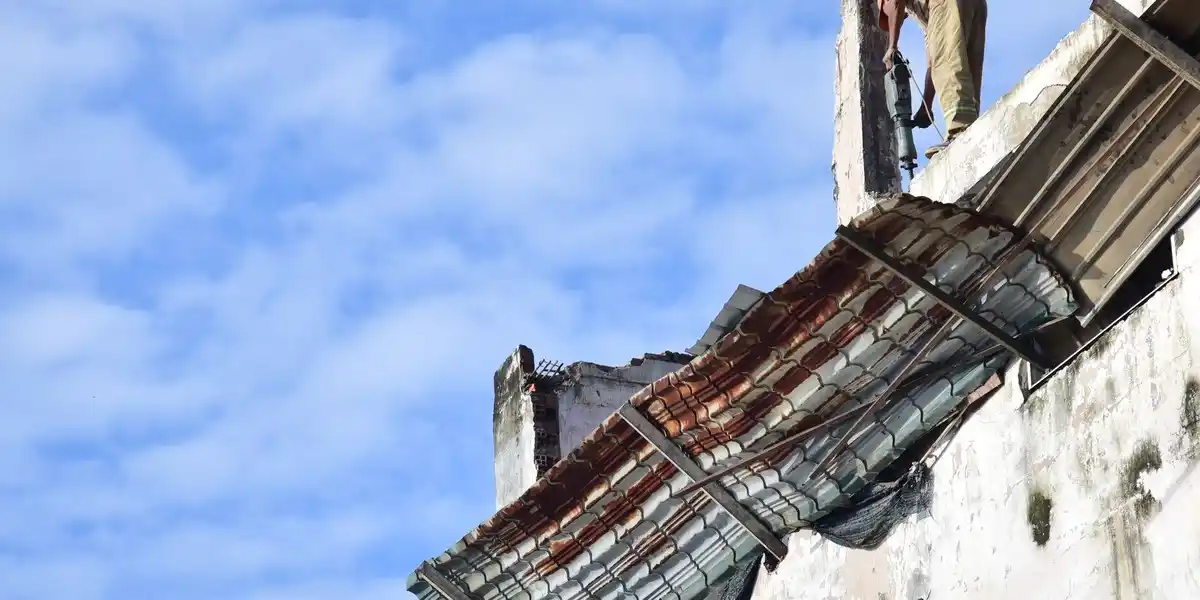
A strong storm can tear shingles off a roof in a matter of minutes. Flying branches and other debris can puncture the roof deck and leave openings you can't see from the ground. Even a small opening lets rain into the attic, and that water tends to spread out of sight before any stain shows up. Many homeowners in St. Louis aren't sure whether they need a quick patch, a temporary tarp or a full replacement. Insurance paperwork, unfamiliar contractors and rising repair bills only add to the confusion. A licensed roofing specialist can inspect the damage, explain your options in plain terms and give you a written quote to compare.
What Happens After You Request Quotes
How the Work Is Usually Sequenced
The first step is usually a careful inspection of the shingles, flashing, decking and attic. If the roof is open to the weather, a specialist can cover it with a temporary tarp to limit further water damage. Next comes a written estimate that lists the scope of work, the materials and the cost. Homeowners are encouraged to ask about licensing where required, liability insurance and workers' compensation coverage. Once you approve the plan, the crew handles any required permits, the repair itself and the debris removal. A final walkthrough lets you confirm the work matches the quote, and workmanship warranty terms should be put in writing.
Roofing Cost Estimator
Typical roofing project costs in St. Louis (Estimate)
Note: these are average reference prices. Request a quote for an exact price.
| Typical roofing project costs | Average Price per project |
|---|---|
| Roof inspection Professional assessment of roof condition | $ 138.36 - $ 461.21 |
| Roof repair Leaks, missing shingles, flashing fixes | $ 276.72 - $ 1660.35 |
| Storm damage repair Hail, wind or fallen debris damage | $ 461.21 - $ 4612.08 |
| Asphalt shingle replacement Full tear-off and new asphalt shingle roof | $ 5534.49 - $ 16603.47 |
| Metal roof installation Standing seam or metal panel roof | $ 11068.98 - $ 36896.60 |
Services Available to St. Louis Homeowners
Storm Damage Roof Repairs in St. Louis
In tornado-prone areas, storm damage repair is often the first call residents make once the weather clears. It covers torn shingles, bent flashing and punctures caused by falling branches. In high-wind areas like St. Louis, flying debris can break through a roof in seconds. When the roof can't be fixed right away, a roofer can install a temporary tarp to keep more water out. Tarping is a temporary measure, and the full repair still has to follow. A good contractor documents the damage with photos and notes so you have a clear record. That record can be useful when you talk with your insurer about the claim. Some homeowners also have to decide whether a patch is enough or whether a full replacement makes more sense. A careful inspection of the decking and underlayment helps answer that question. Repair costs vary a lot, and general storm damage work often lands somewhere in the low thousands. The size of the damaged area, the roof pitch and the roofing type all shift the final number. Reviewing several written quotes shows you what each contractor includes in the scope.
Full Roof Replacement After Severe Damage
Sometimes the damage is too widespread for a repair to make sense. In that case, a full replacement may be the smarter choice for the long run. A qualified roofer can walk you through how much of the deck and framing is still sound. Asphalt shingles are the most common option and usually cost less up front than other materials. Metal roofing costs more initially, but many homeowners like its toughness in rough weather. Some shingle and panel products are marketed with higher wind ratings, and it's worth asking contractors about them. Manufacturers typically offer their own material warranties, separate from the contractor's labor warranty, and terms differ from one provider to the next, so ask for both in writing. Permits are commonly required for a full replacement, though the rules depend on your state and municipality. Your local building department can confirm what applies to your address.
Maintenance Plans and Routine Roof Reviews
A licensed inspection is one of the cheapest ways to stay ahead of roof problems. Inspectors look for lifted shingles, cracked sealant, worn flashing and soft spots in the decking. In tornado-prone areas, they also check for flying-debris damage that is easy to miss from the ground. Many homeowners book a checkup after every major storm, and again before the peak season starts. Small fixes found early are usually far cheaper than repairs after water has soaked in. A quick look after a severe storm can also show whether emergency tarping is needed. Some roofing companies also offer service plans that bundle regular inspections with minor repairs. If you're thinking about one, ask exactly what inspections and services are included. Inspection fees are typically modest compared with the cost of a large repair or replacement. Keeping dated records of each inspection helps if you ever need to file an storm damage claim. Comparing a few local companies will show you how their inspection and maintenance offers compare.
Understanding Roofing Costs and Payment Options
Roofing costs depend heavily on the scope of the job and the materials you choose. A basic inspection or small repair is usually fairly low-cost, while a full replacement is a much bigger investment. In very high-tornado-risk areas like St. Louis, prompt tarping can keep water out after flying debris damages the roof. Many contractors can explain payment plans or financing options during your estimate. Homeowners insurance may cover part of the cost of sudden storm damage, depending on your policy and deductible. Coverage details vary by policy, so it's wise to review yours or call your insurer before work begins. Photos of the damage and dated notes make an insurance claim easier to support. Deciding between repair and replacement often depends on how large a share of the roof was hit and how old it was before the storm. Written quotes from several contractors make it simpler to judge scope, materials and price on equal terms. Ask each contractor to itemize labor, materials and cleanup so nothing is hidden in a single line. Homes in Missouri may also qualify for local programs or payment options, so ask what is available before you sign. Taking a little time to go over the numbers helps you pick a repair or replacement path you can comfortably afford.
What St. Louis's Weather Means for Your Roof
St. Louis has a very high tornado risk, so impact-tested materials and a well-secured roof deck are especially important. Strong straight-line winds are rated relatively high here, and they can lift shingle edges even when no tornado is nearby. Wind-thrown debris is another frequent cause of punctures, so a careful look at the roof surface after a storm is a smart habit. Hail risk in this area is relatively moderate, so impact damage to shingles and flashing is worth checking after any storm. Lightning risk is relatively high, and a strike can damage roof penetrations, chimneys and the roof structure beneath them. If damage does happen, emergency tarping can limit water intrusion until a permanent repair or replacement is arranged. Here in Missouri, On the regulatory side, , and your city building department can confirm the details for St. Louis. Documenting the damage before any cleanup also helps when you work with your insurer. Reviewing a few nearby roofers first is the easiest way to weigh repair options with confidence.
Local Facts for St. Louis
How Comparing Roofing Works in St. Louis
Describe your roof
Tell us about your home and what your roof needs, whether that is a repair, an inspection or a full replacement.
Compare contractors
Review local roofing contractors and their quotes side by side.
Choose with confidence
Pick the contractor that fits your budget and project, and confirm license and insurance before work starts.
Start Comparing Roofers in St. Louis Today
If storm damage has left your roof in rough shape, St. Louis has trusted local pros ready to help. Tell us a little about your home and the project you have in mind. With very high tornado risk in St. Louis, it pays to act before the next storm arrives. You'll receive written quotes from independent, nearby roofing contractors to review. Look at the scope of work, the materials, the warranty terms and the price, then choose the one that fits you best. Many homeowners also ask about emergency tarping and full replacement, and each quote can address those options. Comparing a few bids is the easiest way to see a fair price range for your repair. There's no obligation to hire anyone, and requesting quotes is completely free. Taking a few minutes now can spare you a lot of stress once the work begins. Request your quotes today and see your options for St. Louis.
Call (877) 307-1322