In this article:
Your Starting Point for Roofing in Washington
Choosing a roofer in Washington is simpler once you can line up several nearby contractors next to each other. This page walks through repairs, inspections and full replacements so you know what to ask before anyone climbs a ladder. Whether your roof is fairly new or somewhere in between, the same basic questions apply. Free quotes from independent, vetted professionals let you compare scope, materials and cost without any pressure. Homes in District of Columbia face plenty of weather over the years, and a roof that gets looked at regularly tends to age better. When you're ready, request a few quotes and see what area contractors recommend.
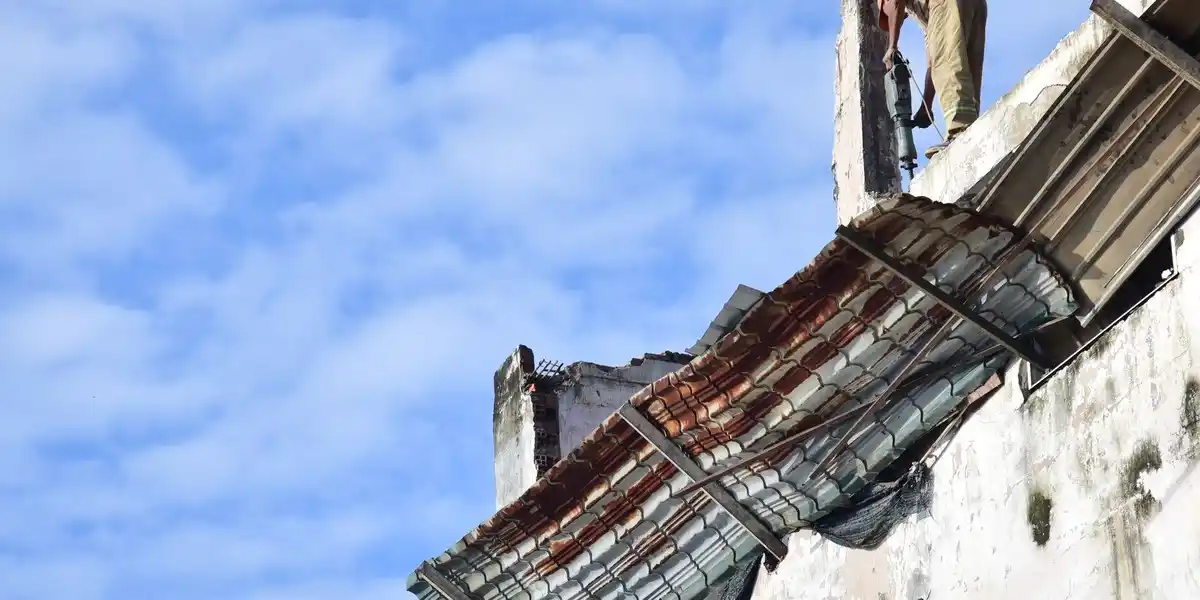
Why Loose Shingles Are Easy to Miss
Most wind damage builds quietly, one gust at a time. Shingle edges lift, sealant strips let go, and flashing around chimneys and vents starts to pull away. From the ground it all looks fine, so many homeowners only find out after a ceiling stain appears. By then water may have soaked into the decking and insulation, which makes the repair bigger. It's also hard to judge how much of the roof is affected without getting a close look, and that isn't something most people should try. A licensed roofing specialist can assess the damage, explain what needs fixing, and recommend a repair that fits the roof's age and condition.
From Inspection to Finished Repair
The Steps From First Look to Final Check
It starts with a thorough roof inspection, usually covering shingles, flashing, vents and the edges where wind pressure is strongest. The specialist documents lifted tabs, cracked sealant and any exposed nails, often with photos you can keep. Next comes a written quote that lists the scope of work, materials and a rough timeline. Once you approve it, the crew replaces damaged shingles, re-seals or replaces flashing, and secures loose areas. A final walkthrough checks that the repaired sections blend in and that nothing was left behind. Comparing two or three quotes before you say yes helps you spot gaps in scope and materials.
Roofing Cost Estimator
Typical roofing project costs in Washington (Estimate)
Note: these are average reference prices. Request a quote for an exact price.
| Typical roofing project costs | Average Price per project |
|---|---|
| Roof inspection Professional assessment of roof condition | $ 171.65 - $ 572.18 |
| Roof repair Leaks, missing shingles, flashing fixes | $ 343.31 - $ 2026.86 |
| Storm damage repair Hail, wind or fallen debris damage | $ 572.18 - $ 5721.82 |
| Asphalt shingle replacement Full tear-off and new asphalt shingle roof | $ 6866.19 - $ 20598.57 |
| Metal roof installation Standing seam or metal panel roof | $ 13732.38 - $ 45774.60 |
The Main Roofing Services Homeowners Ask About
Inspection and Repair After Windy Weather
A roof inspection is the most useful starting point when you suspect wind wear. The inspector looks at shingle edges, ridge caps, flashing and roof penetrations for signs of loosening. You typically get a written summary of what they found. If repairs are needed, contractors can refit missing shingles and reseal or replace loose flashing. Storm damage repair can include wind lifted shingles, fallen branches or debris impact. The cost depends on how much of the roof is affected and how hard it is to reach. Homeowners in higher wind exposure areas often schedule an inspection after a major storm season. Others choose a check every year or two, even on an older roof. Asking each contractor to describe the same scope makes the quotes far easier to compare.
Replacement Options Worth Discussing
When a roof is too far gone for repairs, a full replacement may be the smarter investment. Asphalt shingles are the most common choice, and metal roofing is another option some homeowners consider. Ask each contractor which fastening methods and underlayment they plan to use. Those details matter in places that see frequent tropical storm winds. Manufacturers publish their own material warranties, and terms vary by product. Contractors also provide a separate workmanship warranty, so it's smart to compare both. A tear-off and fresh roof runs far more than a repair, so quotes should be itemized. Ask whether the price includes disposal, flashing and any needed decking repair. With those answers in writing, you can weigh each offer on more than the bottom line.
Routine Checkups and Cost Planning
Regular upkeep is the cheapest way to make a roof last longer. That can mean clearing debris, resealing flashing and replacing a few worn shingles each year. Some contractors offer scheduled checkups, especially for homes in windier regions. A quick look after each big storm helps you catch problems while they're still small. Keeping photos and written reports from each visit builds a useful record of your roof's condition. That record can help you when planning a future replacement budget. A specialist can also explain how repair costs compare with replacement over time. Set aside a little amount each year so a large roofing bill isn't a shock. Comparing quotes for maintenance is equally worthwhile as comparing them for major work.
Budgeting for a Roof Repair or Replacement
Roofing costs range widely, from a modest inspection fee to a large bill for a full replacement. Repairs generally cost much less than replacement, though the right choice depends on your roof's condition. Many roofing contractors can explain payment or financing options during the quote process. A specialist can walk you through what's available, and terms vary by provider. If the damage came from a storm, it may be worth asking your home insurance provider what your policy covers. Get every quote in writing so you can compare scope, materials and price fairly.
How Washington's Climate Affects Roofs
With a relatively high hurricane wind risk, homes in Washington face tropical storm gusts that can gradually loosen shingles and flashing. The area's very high strong wind risk and relatively high tornado risk add extra stress on roof edges and ridge lines. Around 44 inches of rain a year across roughly 168 rainy days means any gap left by wind gets tested repeatedly. Coastal flood risk is relatively high here, so low-lying properties may also see more moisture and debris after storms. In District of Columbia, Confirm what applies to your roof with your local building department.
Local Facts for Washington
How Comparing Roofing Works in Washington
Describe your roof
Tell us about your home and what your roof needs, whether that is a repair, an inspection or a full replacement.
Compare contractors
Review local roofing contractors and their quotes side by side.
Choose with confidence
Pick the contractor that fits your budget and project, and confirm license and insurance before work starts.
Take the Next Step for Your Washington Roof
Whether you need a quick inspection or a full new roof, comparing quotes is a sensible place to start. It only takes a moment to tell us about your home and what you're looking for. Independent roofing contractors in Washington can then share written quotes for you to review. You're free to weigh scope, materials and pricing at your own pace. There's no obligation to hire anyone, and you choose who you want to work with. Request your quotes now and see what your roof really needs.
Call (877) 307-1322